


SCIENTIFIC EVIDENCE | 1-MINUTE READ
Molar-incisor hypomineralisation: what did researchers investigate?
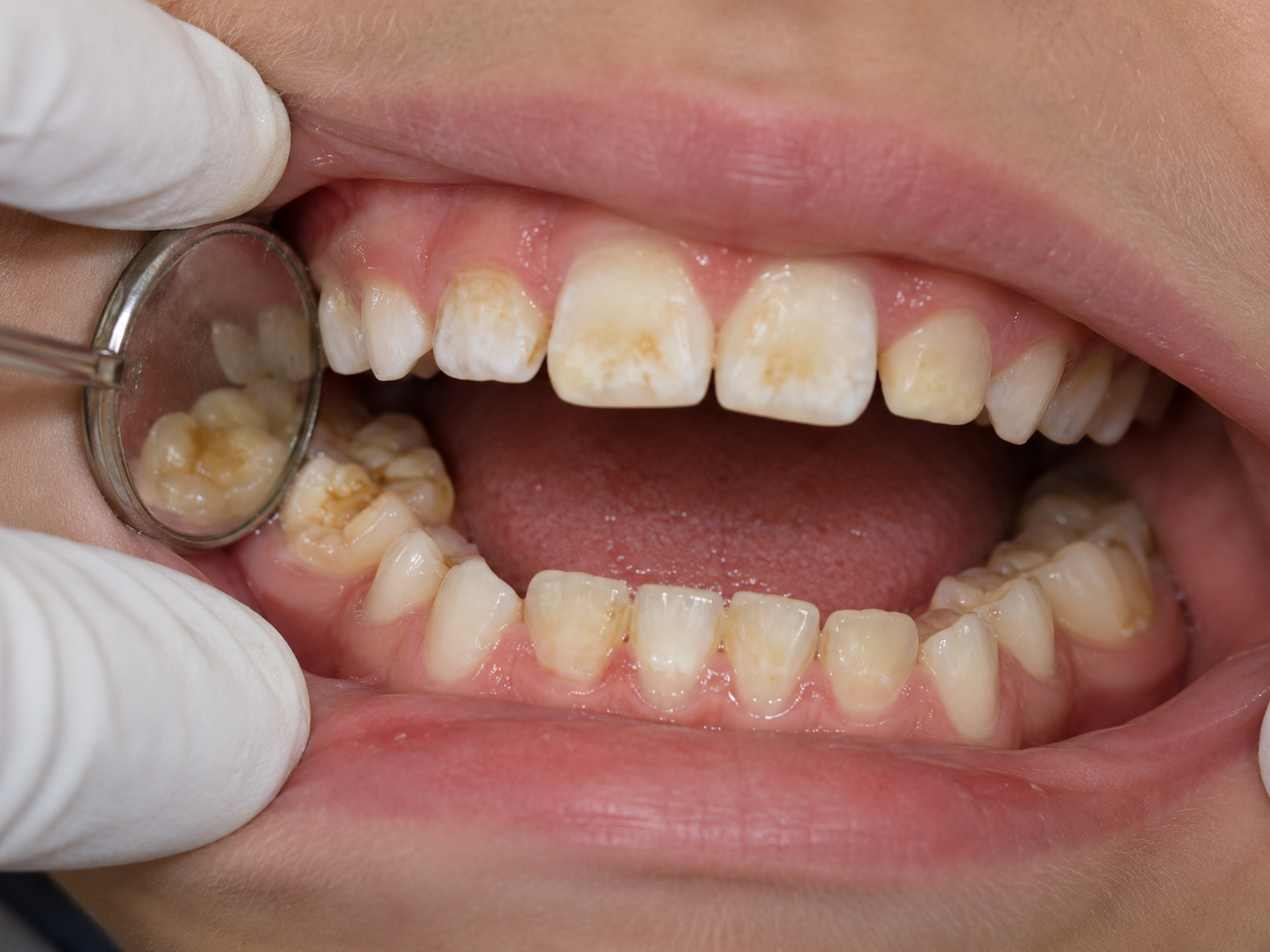
A comparative cross-sectional epidemiological study examined the prevalence and clinical characteristics of molar-incisor hypomineralisation (MIH) and hypomineralised second primary molars (HSPM) among Italian and Turkish children.
The researchers examined 840 children aged 6–16 years: 390 Italian and 450 Turkish children. Two calibrated dentists used diagnostic criteria established by the European Academy of Paediatric Dentistry (EAPD).
What were the results?
3 key findings
- 11.54% prevalence: MIH was identified in 97 children, including 50 Italian and 47 Turkish participants.
- HSPM in 60.31%: at least one hypomineralised second primary molar was reported among MIH-affected children assessed for this condition.
- Clinical differences: significant differences between countries were observed in MIH lesion severity and treatment needs involving molars and lower incisors.
Statistically significant associations were also observed between MIH, HSPM and dental restorations, as well as between MIH and post-eruptive enamel breakdown.
What does this mean for clinical practice?
These findings highlight the importance of examining both first permanent molars and second primary molars when assessing enamel hypomineralisation in pediatric patients.
MIH prevalence was similar in Italy and Turkey, whereas HSPM was less frequent among Turkish children. Because this was a cross-sectional study, the observed associations do not establish causation. The authors recommend further standardized epidemiological research involving larger populations.
Original article:
Prevalence and Clinical Patterns of Molar-Incisor Hypomineralisation (MIH) and Hypomineralised Second Primary Molars (HSPM) in Italian and Turkish Children Aged 6–16: an epidemiological comparative cross-sectional study.
Authors: V. Luppieri et al.
Source: Read the original study