


EVIDENCE | 1-MINUTE READ
Published: April 2026
What did the researchers investigate and find?
A health economic study compared the cost-effectiveness of four interceptive orthodontic treatments with fixed appliance therapy in a publicly funded dental care setting.
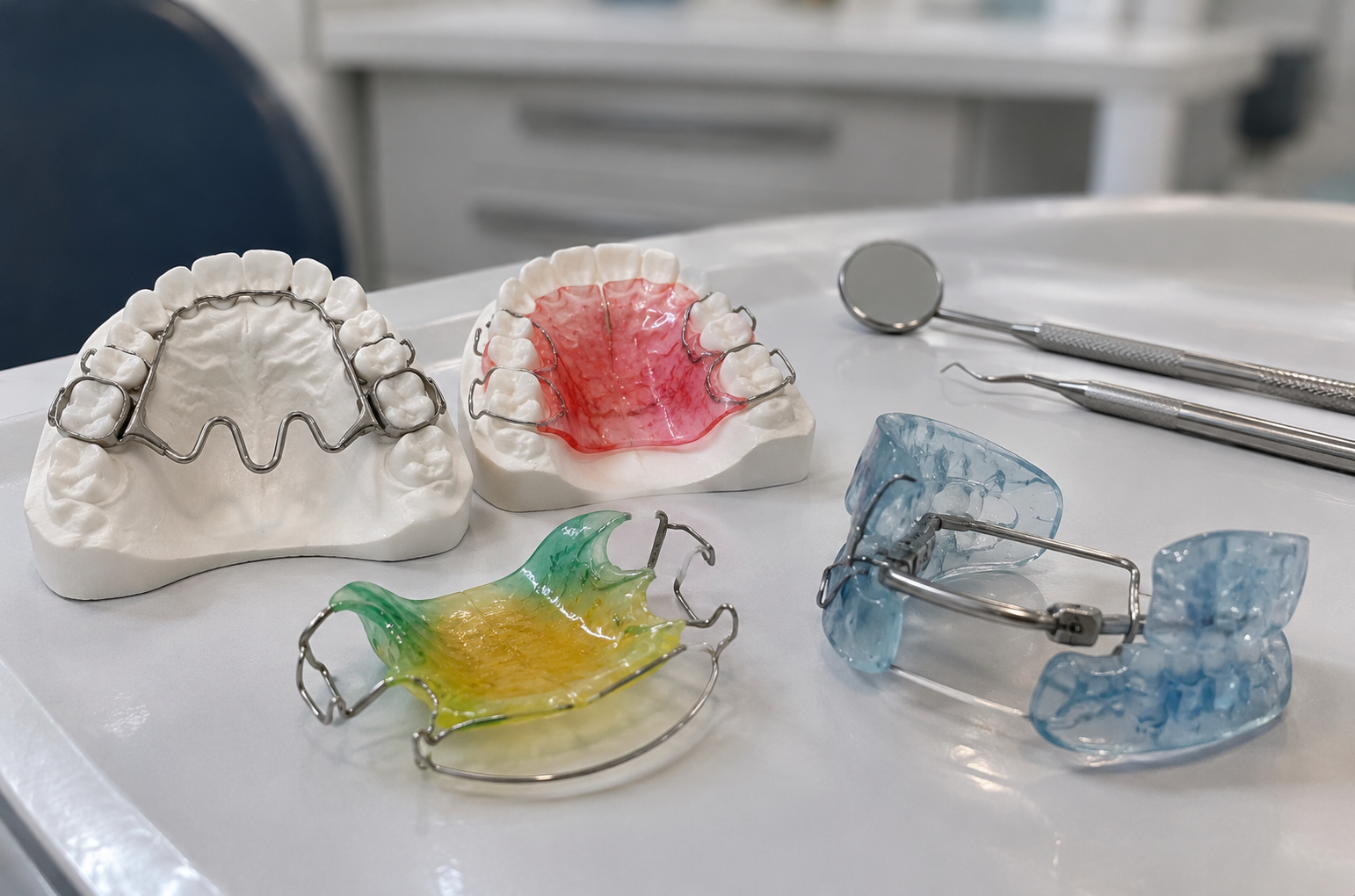
A decision model based on observational data evaluated Quad Helix, removable plates, extraoral traction and activator appliances.
The expected costs and success rates used in the model were:
- Quad Helix: €1,545 and 82% success.
- Removable plates: €1,497 and 66% success.
- Extraoral traction: €1,686 and 57% success.
- Activator: €1,728 and 56% success.
- Fixed appliances: €2,501, with an assumed 100% success rate in the model.
All interceptive treatments had lower expected costs but also lower expected clinical effectiveness compared with fixed appliances.
Quad Helix and removable plates offered the most favorable cost-effectiveness trade-offs. Activator and extraoral traction appliances did not reach the minimum success rates required to achieve equivalent cost-effectiveness.
What does this mean for your clinical practice?
In the publicly funded setting studied, Quad Helix and removable plates appear to be cost-effective interceptive treatment options. The authors recommend more selective use of activators and extraoral traction appliances.
These conclusions depend on the model assumptions, including a 100% success rate for fixed appliances and expert-based estimates of long-term treatment stability.
Original article:
Cost-effectiveness of interceptive orthodontics: a long-term evaluation of early treatment strategies.
Source: Read the original study