

SCIENTIFIC EVIDENCE | 1-MINUTE READ
Machine learning in pediatric dentistry: what did researchers investigate?
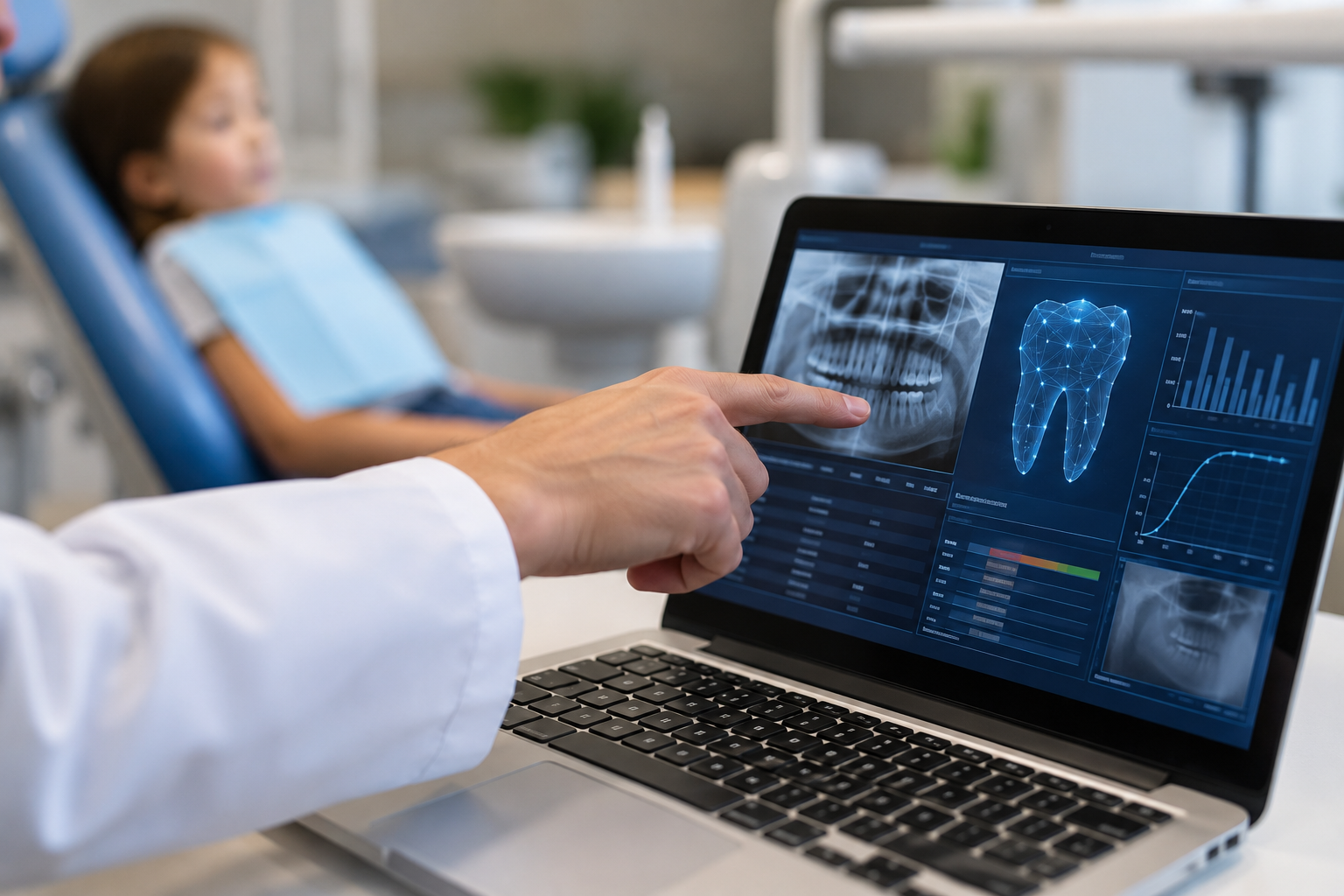
A systematic review examined how machine learning (ML), a branch of artificial intelligence, can contribute to data analysis and the study of oral diseases in children.
Researchers from the University of Murcia analyzed 20 studies selected from 1,945 initially screened records. The review followed PRISMA guidelines and used the QUADAS-2 tool to assess methodological quality.
What were the results?
3 key findings
- Caries prediction: 14 of the 20 studies examined sociodemographic, behavioral and biological predictors associated with childhood dental caries.
- Costs and prevention: the analyses identified higher insurance costs among children with early caries lesions, while sealants and fluoride were associated with greater cost savings.
- Other applications: the studies addressed adolescents’ oral health-related quality of life, predictors of the need for a second treatment under deep sedation, and the effectiveness of preventive dental services.
What does this mean for clinical practice?
Machine learning in pediatric dentistry can identify patterns and predictive factors in large datasets, with potential applications in early disease detection and personalized treatment planning.
The authors recommend integrating ML tools into research and educational programs. They also emphasize the need for specific methodological guidelines and quality assessment scales to strengthen scientific evidence in this field.
Original article:
Application of machine learning for data analysis in paediatric dentistry: a systematic review.
Authors: I. Gómez-Ríos et al. University of Murcia.
Source: Read the original study