


SCIENTIFIC EVIDENCE | 1-MINUTE READ
Electronic apex locators and 3D models: what did researchers investigate?
An in-vitro study developed a standardized experimental framework using transparent 3D-printed resin teeth to evaluate two endodontic motors with integrated electronic apex locators.
Researchers used CBCT scans of 10 extracted human premolars to produce 100 transparent resin replicas.
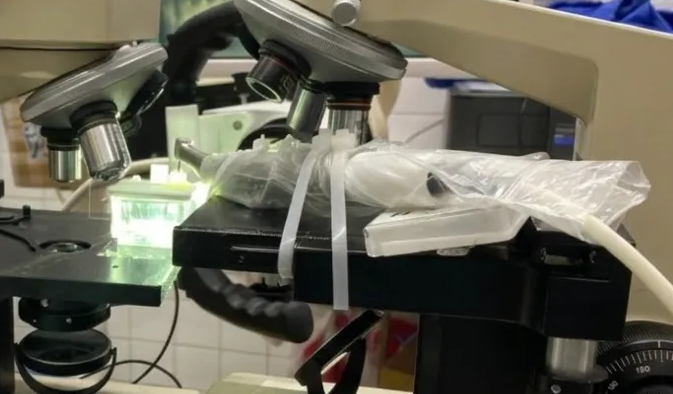
Root canal length measurements were performed under static and dynamic conditions in saline and chlorhexidine solutions. A dual optical microscope system allowed direct measurement of the file tip position relative to the apical terminus.
What were the results?
3 key findings
- High repeatability: measurements showed good consistency when determining file tip position relative to the apex.
- Irrigant comparison: no overall significant differences were observed between saline and chlorhexidine solutions.
- Operating modes: agreement was generally high, although some differences were identified between static and dynamic modes.
What does this mean for clinical practice?
Transparent 3D-printed teeth allow researchers to observe instrument movement within the root canal and assess electronic apex locators under standardized conditions.
This framework may be useful for preclinical research, device evaluation and simulation-based endodontic education. As an experimental laboratory study, it does not demonstrate that either endodontic motor is clinically superior.
Original article:
A reproducible optical–microscopic framework for evaluating electronic apex locator performance in different irrigants using 3D-printed transparent resin teeth.
Authors: Tran-Lan-Khue Pham et al.
Source: Read the original study