


1-MINUTE READ
A study published in August 2026 in the journal Neurotoxicology and Teratology identified differences in the concentrations of certain chemicals found in primary teeth from children with and without an autism diagnosis.
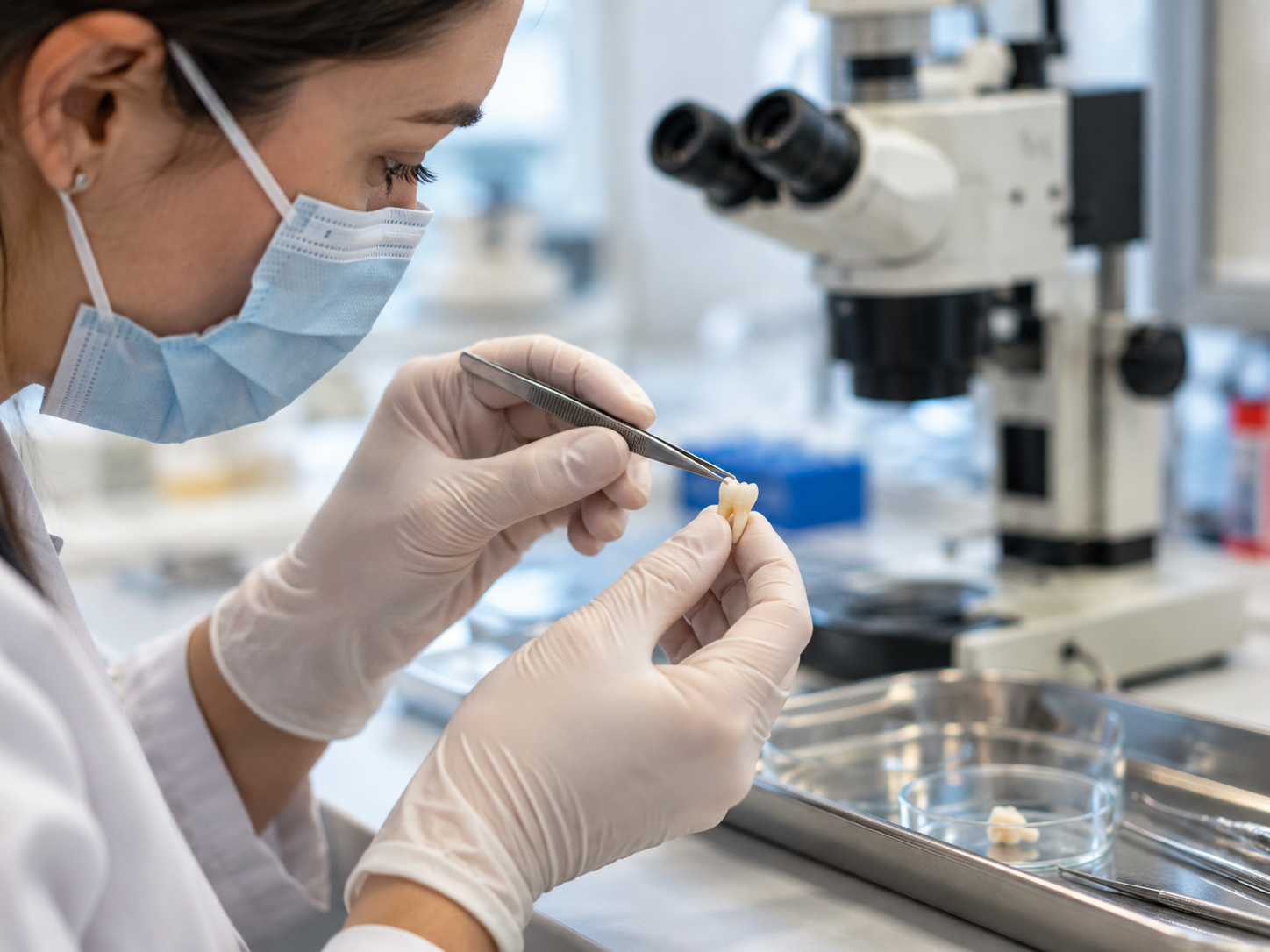
Researchers analyzed shed baby teeth from 38 children, 22 with autism and 16 without, using chromatography and mass spectrometry techniques.
What Are the New Findings?
3 Key Points
- Teeth as biological records: primary teeth can be used to investigate chemical exposures during prenatal development and early childhood.
- Observed differences: among 60 compounds detected in more than half of the participants, 57 showed higher concentrations in the autism group. Differences were statistically significant for 19 compounds.
- Chemicals investigated: the compounds included substances associated with pesticides, plasticizers, fragrances, preservatives and flame retardants.
Why Is This Relevant to Dentistry?
The research highlights the potential of naturally shed primary teeth as biological samples for investigating environmental exposures during early development.
This approach could contribute to future research into the relationship between chemical exposures and child development.
Important: this was a pilot study involving only 38 participants. Although differences were observed between the groups, the findings do not establish that the detected chemicals cause autism. Larger studies are needed.
Study: A pilot autism case-control study of pesticides and plasticizers in shed baby teeth.
Authors: Lynne P. Heilbrun and colleagues.
Journal: Neurotoxicology and Teratology, volume 117, 2026, article 107710.