A patient dozes off in a dental chair despite the anxiety of an impending procedure. A seemingly unremarkable act but — for dentists versed in the latest sleep research — this red flag hints at a life-threatening condition.
In a research review published in the Journal of the American Dental Association, Rutgers Health researchers identified dentists as an unexpected player in the battle against life-threatening sleep disorders.
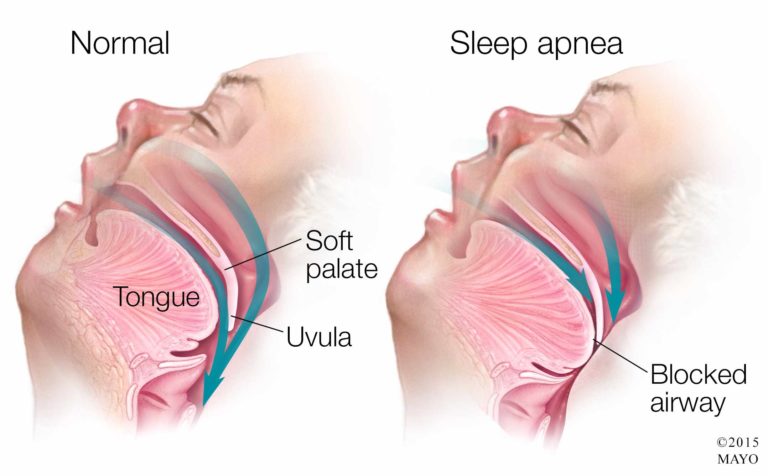
The review suggests dental professionals have unique opportunities to screen for conditions such as obstructive sleep apnea, a disorder that affects millions of Americans and is linked to serious health risks, including cardiovascular disease and neurodegeneration.
It also challenges dentists to look beyond teeth and gums to the broader landscape of patient health.
“We have a great opportunity to change lives for the better,” said Davis Thomas, a clinical associate professor at the Rutgers School of Dental Medicine and senior author of the review. “Dentists can be the first line of defense in identifying sleep disorders. They often see symptoms long before physicians. Indicators like tooth grinding, tongue scalloping or even a patient dozing off in the chair can be early signs that something more is going on.”
Sleep disorders such as obstructive sleep apnea affect more than half of Americans at some point in their lives. Many cases go undiagnosed, but dentists can play an important role in reducing those numbers.
The review outlines several key indicators that dental clinicians should look for during examinations, including enlarged jaw muscles, scalloped tongue edges, white lines on the cheeks, restricted visibility of the throat, dental wear patterns and tiny cracks on teeth.
These physical signs, combined with patient history and simple screening tools, can help dentists identify at-risk patients with up to 80 percent accuracy.
“It’s not just about looking at teeth anymore,” Thomas said. “We need to observe the whole patient, from their behavior in the waiting room to the subtle signs in their oral cavity.”
Another sign of concern, according to the review authors, is bruxism, commonly known as teeth grinding. Contrary to long-held beliefs, the studies suggest teeth griding is often a symptom of underlying sleep issues rather than a standalone problem caused by dental misalignment.
“We’ve been treating the symptoms without addressing the root cause for far too long,” Thomas said. “By understanding the neuroscience behind sleep disorders, we can provide more comprehensive care and potentially prevent serious health complications.”
This shift in perspective could have far-reaching implications. By identifying patients at risk for sleep disorders, dentists can facilitate early intervention, potentially preventing complications such as hypertension, heart disease and stroke.
To implement these findings, Thomas and his team propose a simple protocol for dental practices: Incorporate sleep-related questions into patient history forms. Other recommendations include training dental staff to recognize physical signs of sleep disorders and using validated screening tools like the STOP-BANG (snoring, tiredness, observed apnea, blood pressure, body mass index, age, neck size, gender) questionnaire, which screens for obstructive sleep apnea and establish referral networks with sleep medicine specialists.
“We’re not asking dentists to diagnose sleep disorders,” Thomas said. “We’re asking them to recognize the signs and make appropriate referrals. This simple act can be lifesaving.”
Thomas recommends that dentists looking to incorporate sleep screening into their practices start with education.
“Attend sleep medicine conferences, take continuing education courses, and stay up-to-date with the latest research,” he said. “The more we learn, the more we realize how much we don’t know — and how much we can do to help our patients.”
Source: https://www.sciencedaily.com/releases/2024/09/240903144821.htm