

60–90 second summary
The reality:
A practice’s image is not an abstract concept nor limited to large clinics. It is the direct result of daily operations: patient care, organization, communication, and the physical environment. Patients perceive all of this as a whole.
Clear professional identity:
Every practice should define, even internally:
- How it wants to treat patients
- The level of service it aims to provide
- The type of patient experience it prioritizes
Without this foundation, any attempt to improve image becomes inconsistent.
Visual and operational consistency:
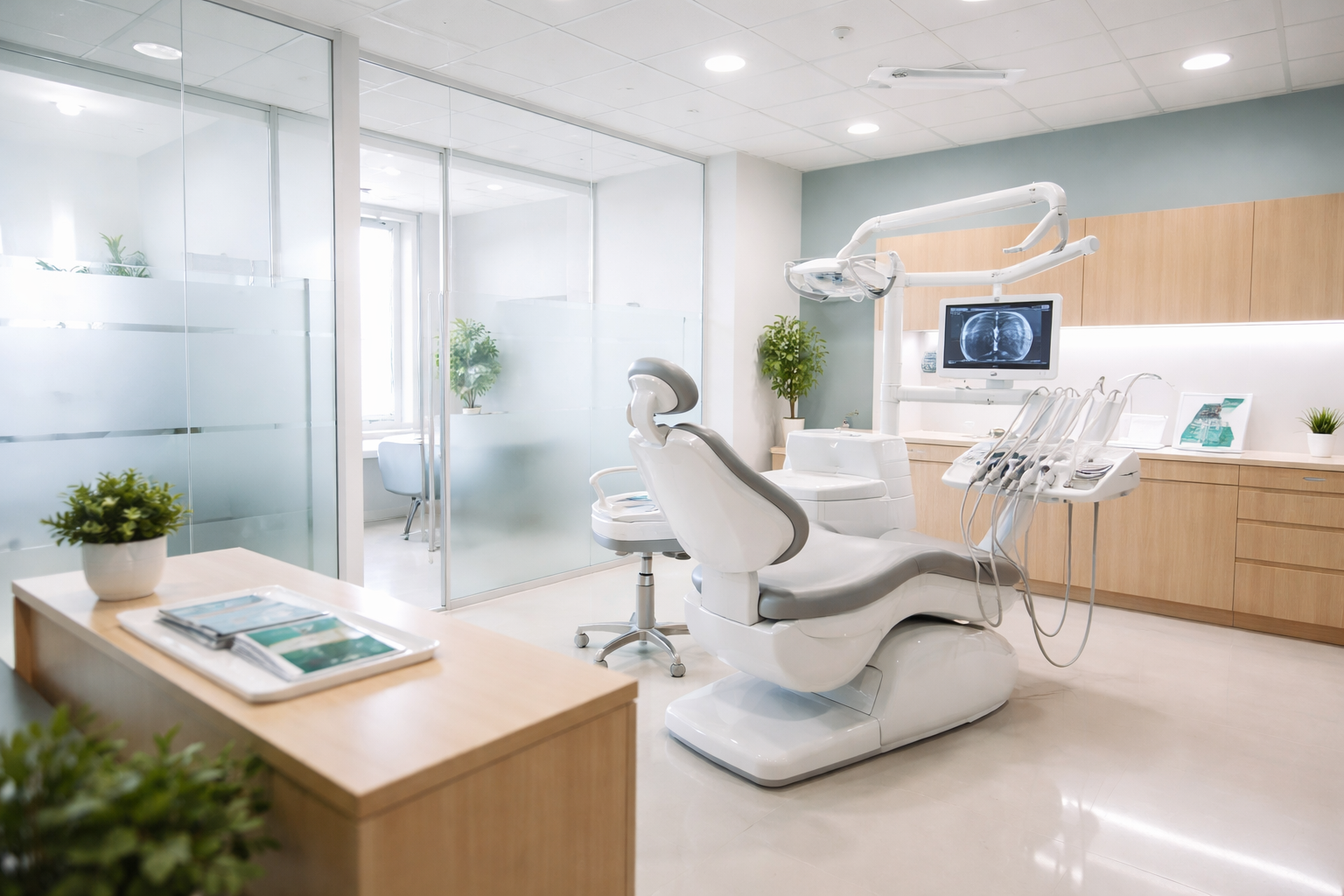
It’s not about “nice design,” but about order. When colors, materials, signage, and documents follow the same logic, patients perceive control and professionalism.
Consistent communication (key factor):
One of the most common issues is lack of uniform communication.
Today this includes:
- Phone
- WhatsApp (main channel)
- Front desk / in-person reception
Patients should not notice differences between staff members. Clear communication guidelines are essential.
Simple and accessible information:
The clearer everything is (appointments, timelines, treatments), the less friction there is.
Clarity builds trust.
Aligned team:
The practice image is not built by the dentist alone.
If the team communicates or acts differently, the patient perceives inconsistency.
Short daily alignments help maintain coherence.
Patient experience (what truly matters):
Patients don’t evaluate concepts, they evaluate experiences:
- Organization
- Cleanliness
- Time management
- Interpersonal treatment
The combination of these defines the real image of the practice.
Consistent digital presence:
Today, first contact often happens through:
- Social media
- Website
If what patients see online doesn’t match what they experience in the clinic, trust is affected.
Conclusion:
A strong image is built through operational consistency.
When everything is aligned—team, communication, environment, and experience—patients perceive it immediately.